

TMJ/TMD Treatment & Chiropractic Care in Dayton, Ohio
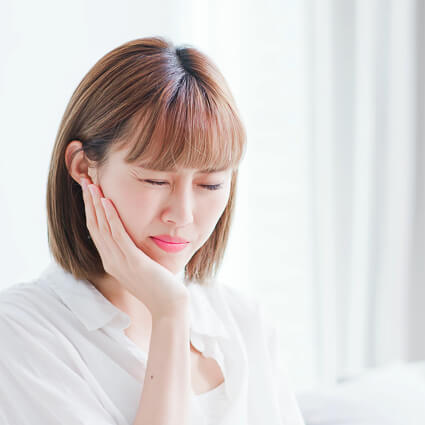
A clicking jaw may seem harmless at first. Over time, however, jaw tension, discomfort, headaches, facial pain, neck stiffness, or changes in how your bite feels can become difficult to ignore.
At Vital Health Wellness Center, Dr. Greg Goffe takes a broader approach to TMJ/TMD by looking beyond the jaw itself. His evaluation considers the relationship between jaw function, dental occlusion, the cervical spine, head posture, and the muscles that control jaw movement.
Dr. Goffe has completed more than 200 hours of postgraduate training in Chirodontics and also has extensive experience in NUCCA upper cervical care. Together with the specially trained dentist with whom he collaborates, Dr. Goffe is part of Ohio’s only chiropractor-dentist Chirodontics team.
Why This Approach Is Different
- Ohio’s only chiropractor-dentist Chirodontics team
- 200+ hours of postgraduate Chirodontics training
- More than 35 years of NUCCA upper cervical experience
- Evaluation of the jaw, cervical spine, muscles, posture, and dental occlusion
- Conservative, individualized treatment based on examination findings
- Dental or specialty co-management when appropriate
Recognizing the Signs of TMD
TMD can present differently from one person to another. Common symptoms may include:
- Jaw pain or tenderness
- Clicking or popping in the jaw
- Difficulty or discomfort when chewing
- Limited jaw opening or jaw locking
- Facial pain or tension
- Headaches
- Neck pain or stiffness
- Ear pain or a sensation of ear fullness
- Changes in how the bite feels
Looking Beyond the Jaw
Chirodontics is a multidisciplinary approach that brings together concepts from chiropractic and dentistry to evaluate relationships among dental occlusion, jaw function, cervical biomechanics, posture, and the neuromusculoskeletal system.
Opening and closing your mouth requires coordinated activity involving the jaw joints, muscles of the face and neck, cervical spine, and dental structures. When symptoms persist, focusing on the teeth or jaw joint alone may not identify every relevant factor.
A night guard, for example, may be useful for some people who clench or grind their teeth. But persistent TMD symptoms may involve more than the teeth themselves. Cervical musculoskeletal dysfunction, head posture, muscle imbalance, jaw mechanics, and dental occlusion may all deserve consideration.

Why the Upper Cervical Spine Matters
The relationship between the jaw and neck is one reason Dr. Goffe’s background in NUCCA upper cervical care can provide an additional perspective when evaluating TMD.
NUCCA focuses specifically on the biomechanics of the upper cervical spine—the region where the head and neck meet. Dr. Goffe evaluates cervical biomechanics and associated muscle function as potential contributors, particularly when jaw symptoms occur together with neck pain, headaches, or altered cervical function.
An upper cervical problem is not assumed to be the cause of TMD. Rather, Dr. Goffe’s NUCCA expertise provides an additional level of specialization in evaluating a region that research has shown can have meaningful functional associations with TMD.
Stress, Clenching, and Other Contributing Factors
Stress can play an important role in TMD. Some people habitually clench their jaw or grind their teeth during periods of increased stress or while sleeping.
Stress reduction and behavioral changes may therefore be important parts of managing the problem. When symptoms persist, however, evaluation may reveal additional musculoskeletal, functional, or dental factors that deserve attention.
A Comprehensive TMJ/TMD Evaluation
Because TMD can have several contributing factors, Dr. Goffe’s evaluation extends beyond simply asking where the jaw hurts.
Depending on your presentation, the examination may include assessment of:
- Jaw opening and closing mechanics
- Clicking, popping, locking, or other joint sounds
- Deviation of the jaw during movement
- Tenderness and function of the muscles involved in chewing
- Cervical and upper cervical biomechanics
- Head and neck posture
- Neuromusculoskeletal function
- Dental occlusion and bite relationships
Dr. Goffe also screens dental occlusion. This does not replace a comprehensive dental examination; when dental or occlusal findings appear significant, he can coordinate evaluation with the specially trained dentist on Ohio’s only chiropractor-dentist Chirodontics team.
Treatment Tailored to the Findings
There is no single treatment that is appropriate for every person with TMD. Treatment at Vital Health Wellness Center is based on the findings of the examination and on which factors appear most relevant to the individual patient.
Depending on those findings, conservative care may include:
- NUCCA upper cervical care when cervical biomechanics appear relevant
- Other gentle chiropractic or instrument-assisted techniques, including Impulse IQ
- Treatment directed to the muscles and soft tissues involved in jaw function
- Jaw mobility, stretching, or therapeutic exercises
- Postural and home-care recommendations
- SoftWave TRT for selected musculoskeletal findings when clinically appropriate
- Dental co-management when occlusion, an oral appliance, or another dental issue warrants further evaluation
Because TMD has multiple subtypes and causes, no individual therapy—including NUCCA, chiropractic manipulation, or SoftWave—is presented as appropriate for every TMJ problem.
The objective is to identify the most relevant contributors and build a conservative, individualized plan around those findings. Medical, dental, or other specialty referral may also be recommended when appropriate.
Ohio’s Only Chiropractor-Dentist Chirodontics Team
TMD can cross traditional professional boundaries. A dentist may identify important issues involving the teeth, bite, or dental structures, while a chiropractor may identify cervical, muscular, or other musculoskeletal factors.
Dr. Goffe and the specially trained dentist with whom he works form the only chiropractor-dentist Chirodontics team in Ohio. When appropriate, this collaboration allows both sides of a complex presentation to be considered and helps determine whether care should be primarily musculoskeletal, primarily dental, or coordinated between the two disciplines.
What Does the Research Say About TMD and the Neck?
Research supports viewing TMD as a group of musculoskeletal and neuromuscular conditions that can involve more than the temporomandibular joint itself.
Systematic reviews and meta-analyses have identified meaningful associations between TMD and cervical musculoskeletal dysfunction, including reduced cervical range of motion, reduced neck-muscle endurance, and greater neck disability. Importantly, the evidence does not show consistent differences in static head or cervical posture. In other words, research supports evaluating cervical function, but it does not establish that poor posture or cervical dysfunction causes TMD.[1,2]
Research also supports a conservative approach for many patients with persistent TMD pain. A 2023 BMJ clinical practice guideline strongly recommended several non-invasive approaches, including therapist-assisted mobilization, manual trigger-point therapy, supervised postural and jaw exercise, stretching, education, and home exercise. Manipulation received a conditional recommendation in favor.[3]
These findings do not establish NUCCA, Chirodontics, Impulse IQ, or SoftWave TRT as proven treatments for every type of TMD. They do, however, support the broader principles behind Dr. Goffe’s approach: evaluate relevant cervical and musculoskeletal factors, use conservative care when appropriate, encourage movement and function, and coordinate dental or other specialty care when indicated.
2. Gil-Martínez A, et al. Craniocervical and Cervical Spine Features of Patients with Temporomandibular Disorders: A Systematic Review and Meta-Analysis of Observational Studies. Journal of Clinical Medicine. 2020;9(9):2806.
3. Busse JW, Casassus R, Carrasco-Labra A, et al. Management of chronic pain associated with temporomandibular disorders: a clinical practice guideline. BMJ. 2023;383:e076227. doi:10.1136/bmj-2023-076227.
Frequently Asked Questions
Can a chiropractor help with TMJ/TMD?
What does NUCCA have to do with TMJ/TMD?
Does a clicking jaw need to be evaluated?
Do I have to see a dentist for TMD?
Can conservative care be considered before TMJ surgery?
What happens if TMD is ignored?
Find Out What’s Contributing to Your TMJ/TMD
Jaw clicking, facial tension, headaches, neck discomfort, and changes in your bite may have different contributing factors. Dr. Greg Goffe combines more than 200 hours of postgraduate Chirodontics training with more than 35 years of NUCCA upper cervical experience to provide a comprehensive, conservative evaluation. When dental expertise is needed, care can be coordinated through Ohio’s only chiropractor-dentist Chirodontics team.
Contact Vital Health Wellness Center to schedule a TMJ/TMD evaluation and determine which factors may be contributing to your symptoms.
